Winter Driving Tips to Stay Safe on the Road
Introduction
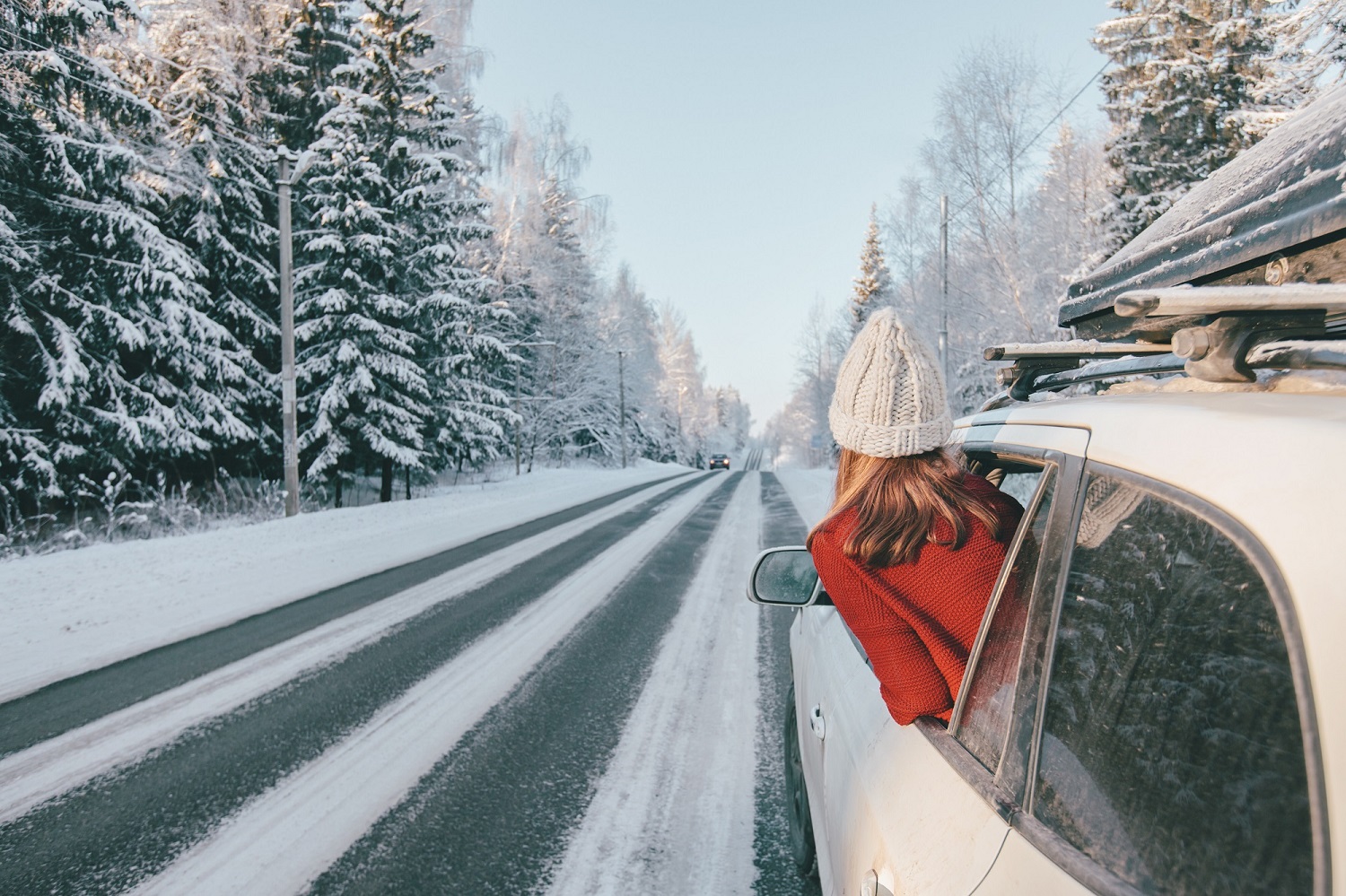
Driving in the winter is tough even with expert drivers. Road conditions caused by snow, ice, freezing rain, and decreased visibility all lead to greater risk for car accidents. When on the road, whether it is during work travels or just running errands, precaution can be taken during the colder months in order to ensure your and your passengers safety. If you get your vehicle ready for the season and practice safe driving practices, winter roads will not hold any surprises or dangers.
Prepare Your Vehicle for Winter
Preparing your vehicle for cold-weather driving conditions is one of the crucial factors in safe winter driving. Get your car checked by a qualified mechanic before winter appears. It would be best if you checked the battery, brakes, tires, windshield wipers and heating system to see whether everything is working.
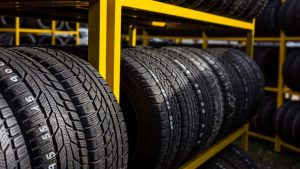
The right tires can stave off slipping on snow-covered or icy roadways. Ensure that tires have adequate tread, inflation and pressure. In areas that have heavy snowfall, winter tires made for cold weather grip. Also, fill up your windshield washer reservoir with winter-grade fluid that won’t freeze.
Check Weather and Road Conditions
Always check the weather report and road conditions before going on a ride. Storm systems can blow up into fierce winter snowstorms, making travel treacherous or even incapacitating. When forecasting bad weather, you might even consider delaying your trip until things get better.
Various departments of transportation provide updates on which roads are dangerously drivable, allowing drivers to steer clear of those routes in real-time. Planning in advance lets you select safer routes and gives plenty of time to get wherever you’re going at your own speed.
Reduce Your Speed
Many winter-related accidents are the result of speed. Snow and ice drastically diminish tire grip, requiring a longer braking distance to stop safely. Regardless of how open the road might seem, black ice is frequently invisible.
Being able to drive more slowly gives you time to notice the unknown when it arises. This also reduces the risk of skidding if your car goes over a slippery patch. It must be noted that posted speed limits are based on ideal driving conditions, which could mean they are not actually safe in winter weather situations.
Increase Following Distance
During the winter season, it is vital that you maintain your distance with the vehicle in front of you. In clear-weather conditions, a three-second gap might suffice. On snowy or icy roads, however, experts advise that this time of separation should be extended to six-10 seconds.
Having extra space between vehicles provides additional time to either slow down gently or maintain distance from other vehicles, thereby avoiding collisions if traffic suddenly decelerates or comes to a complete stop. When the road surfaces are slippery and stopping distances longer, then tailgate takes on an different very grisly character too.
Use Smooth and Gentle Movements
On icy roads, quick action either of accelerating, braking or steering may make your vehicle skid. However, during winter conditions ensure you make the smoothest of movements when driving.
Engage the tires progressively, no wheel spin and brakes gently to stay on top of things. Before a turn, slow down and navigate the corner smoothly. While these techniques may help to keep your vehicle stabilized, they do not work to eliminate the potential of losing control.
Know How to Handle a Skid
Even the most careful drivers can find themselves in a skid during winter conditions. If you write knowledge of how to react into the stabilization control system, it’s enough to keep a slight loss of contact with your tires from becoming an enthusiastic accident.
If your car starts to skid, stay cool and resist the urge to stomp on the brakes. Instead, back off the gas and gently guide into your desired location of where you want the front of the vehicle to go. The correction happens suddenly, and can cause the car to skid more. It will help you build confidence in your ability to react and learn how slippery the conditions are out there.
Keep an Emergency Kit
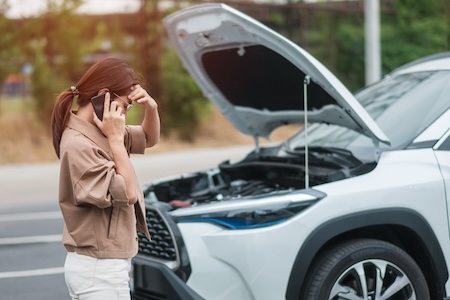
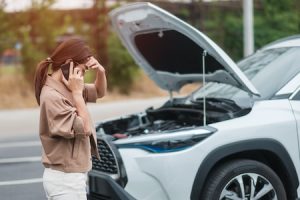
While winter travel plans say they are to be prepared for the possibility of a breakdown, or roads can be closed because of snowstorms and fires, hauling gets lost along the way. In cases like these, having a winter emergency kit can be very helpful.
Your kit should consist of blankets, clothing for warmth, some batteries (and or a flashlight), bottled water, non-perishable snacks, a first-aid kit, jumper cables, phone charger and perhaps even a tiny shovel. During this time frame, these supplies will assist you remain secure and comfortable until help arrives.
Stay Focused and Avoid Distractions
Winter roads demand a ton of your attention. Doesn’t it make sense that driving while distracted is something you need to be aware of no matter if the weather’s bad or not, but the overall risks certainly go up extensively? Keep your hands off the phone, Not to juggle with GPS or any other potichon which may divert you from driving.
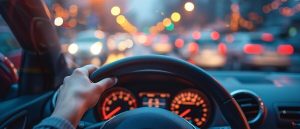
Maintain both hands on the wheel and be aware of changing conditions, surrounding vehicles, and other potential hazards. Fewer distractions in driving let you respond faster when something happens.
Conclusion
Driving through winter requires patience, preparation and caution. Improving your on-road safety, however, is as simple as: maintaining your vehicle. It gets you to the road with a level of assurance, monitoring weather conditions less surprising when things go wrong, reducing speed traveling at a safe distance without difficulties and having emergency supplies in your vehicle especially during adverse winter weather. Though you cannot control the weather, careful driving can avoid danger and make certain that you arrive safely at your destination. These measures not only ensure your safety but also help maintain the tires and other vehicular components, in working condition for the winter roads to be safe and sound.


Post Comment