Understanding Electric Vehicle Charging and Battery Care
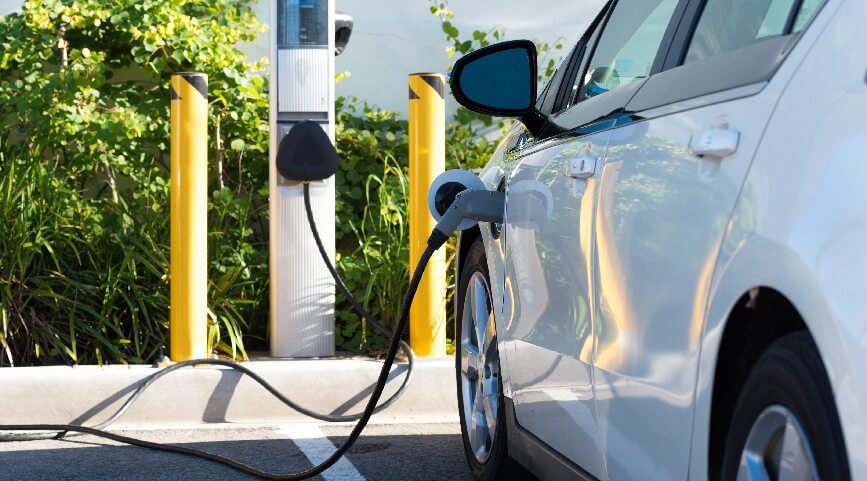
The progress of environmental protection, reducing carbon emissions and saving fuel costs are preferable features of electric cars (EVs) that contribute to their growing popularity as well as distributions. With more and more drivers transitioning from traditional gasoline-fueled vehicles to electric cars, it is important to understand how EV charging functions as well as how to maintain the battery. Practicing adequate charging and battery maintenance can greatly enhance the function, utilization range, and longevity of an electric vehicle.
How Electric Vehicle Charging Works
As opposed to traditional cars that need fuel electricity-powered vehicles use batteries which acquire and store energy to supply it. Charging an EV is essentially moving electricity from a power source, such as the grid or an on-site renewable energy generation unit, to the vehicle’s energy storage battery. Currently, there are three main types of EV charging.
Level 1 is the slowest method of charging, and it uses a standard home outlet. Perfect for overnight charging and adds multiple miles of range per hour. Level 2 charging is connected to a dedicated charging station and offers much faster charging speeds. These chargers are widely available in homes, workplaces, shopping malls, and public parking facilities. DC fast charging is the fastest and can fill a large portion of the battery in short order, ideal for long-distance travel and highway chargers.
Charging time varies based on the battery size, power output of the charger, vehicle model, and current capacity of the battery. Usually, the bigger the battery, the longer it takes for a full charge.
Understanding EV Batteries
Lithium-ion batteries are used in almost all modern electric cars because they offer a great combination of energy density, longevity and efficiency with each charge. These batteries store electricity and provide energy to the electric motor. Although lithium-ion batteries are designed to work for many decades, performance will naturally degrade with time.
Batteries, the second main topic of our elite, can erase charge this phenomenon is called battery degradation. Certain variables can affect the rate of degradation: how fast and at what temperature to charge, temperatures on the road, driving habits, obsolescence. Fortunately, proper battery maintenance can be done to slow down this process and keep your machine performing at its best.
EV Charging Best Practices
Arguably the best approach for safeguarding your EV battery is to cultivate good charging habits. For optimal use, experts generally suggest not letting the charge go below 20% or above 80% on a regular basis. Charging the battery to 100% too often, as well as deep discharge (allowing it to drop down all the way) adds unneeded stress on the battery cell.
Most of the current EVs facilitate its drivers to establish a cap for charging and therefore it can be much easier to remain with advisable charging capacity. A full charge before long journeys is still fine, but that shouldn’t become a daily habit unless absolutely needed.
Sure, throughout occasional use simply every now and then is thoughtful, however charging greater kilometers above relying too frequently would wear out their battery packs faster because they experience overheating with the important charging rates. Level 2 charging is recommended for everyday charging and also tends to satisfy the sweet spot between convenience and battery well-being.
Managing Temperature and Battery Health
Battery performance and longevity is very much affected by temperature. Battery degradation is accelerated by hot weather but extreme cold can lead to a very temporary reduction in driving range and charging efficiency.
In hot weather, whenever possible allow your electric vehicle to park in a garage and/or shaded area. In colder climates, a number of EVs offer features that precondition the battery—warming it prior to charging or driving. Leveraging these characteristics can result in improved efficiency and reduced stress to the battery system.
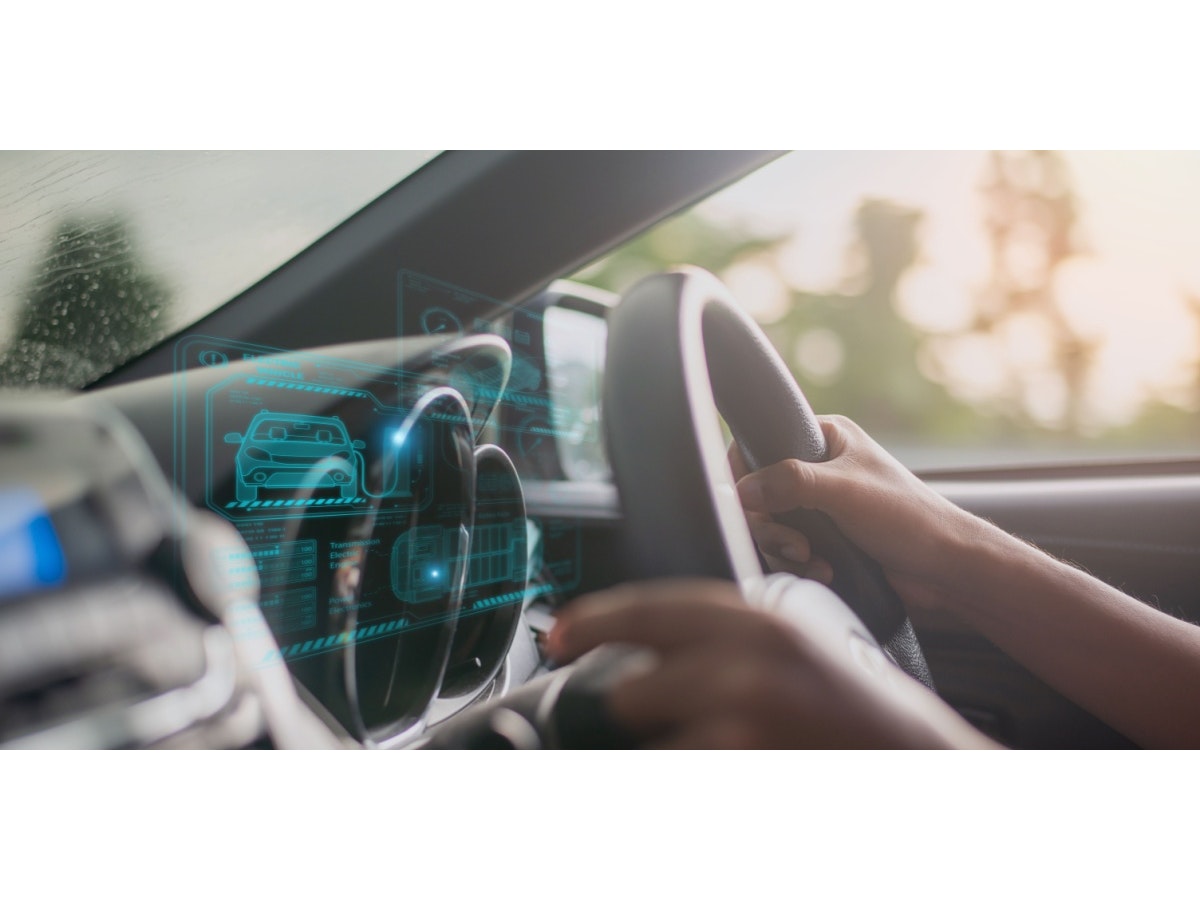
Modern electric cars come fitted with intricate battery management systems that keep a track of temperature, charging speeds and so on and the state of the battery. These systems make sure the battery is safe and provide peak performance under different scenarios.
Long-Term Battery Care Tips
To maximise the life of your battery, always follow the maintenance recommendations of the manufacturer and ensure your vehicle’s software is up to date. Many times software updates will bring along some enhancements on the battery management and charging efficiency. Do not leave the batteries at either end of their range over long periods. If you are keeping the car for a few weeks, it is usually advised to leave the battery at somewhere between 40%-60% charged.
Scheduled inspections and professional maintenance will also allow you to identify potential issues before they develop into major problems.
Conclusion
To get a good return on your EV, you need to learn about electric car charging and battery care. With some smarter charging habits, not hitting the extremes of either end on the battery meter, avoiding temperature damage, and sticking to manufacturer guidelines to keep performance strong for a decade or more at a time. More importantly, proper battery care prolongs the life of not only the car but also its most vital part ensuring more efficient use of energy that leads to a better overall motoring experience.









Post Comment